
Neat, lasting repairs for leaking toilets, showers, basins, sinks and appliance connections, without removing tiles that do not need to come out.
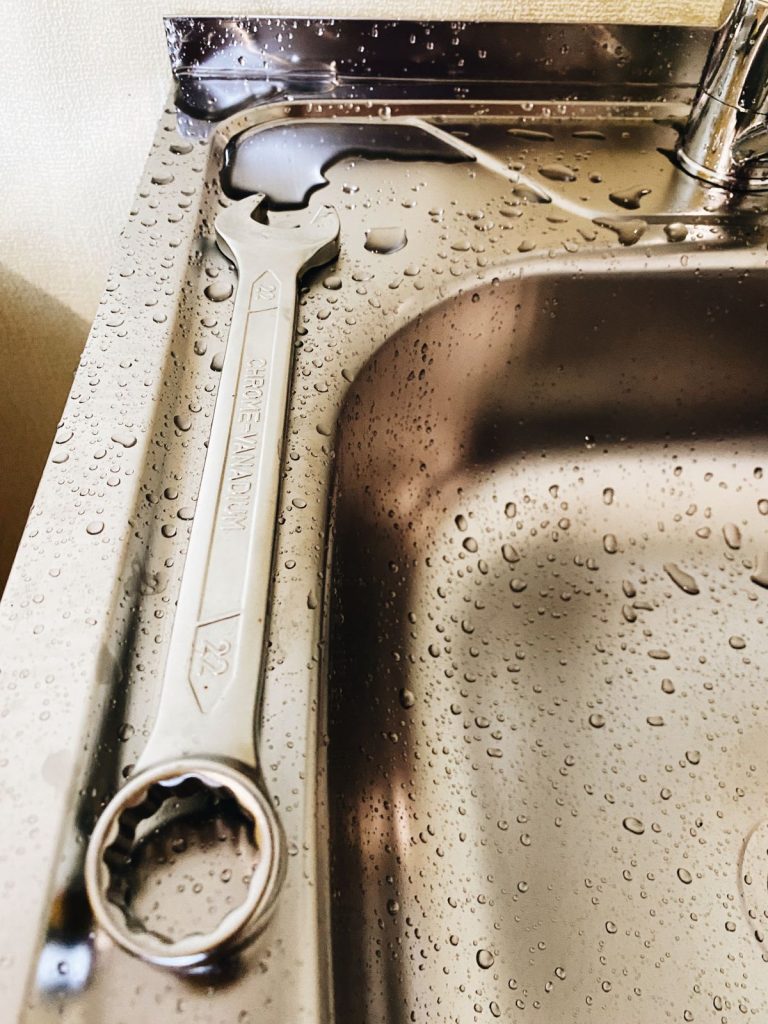
Bathrooms and kitchens have more water connections packed into a small space than anywhere else in the home. A tired seal around a shower tray, a loose trap under the sink or a weeping cistern connection can leak for months behind panels and tiles before anyone notices.
By the time a stain appears on the ceiling below or a cabinet base starts to swell, the water has often spread well beyond the source. We trace it back to the exact component that failed and repair that, so you are not paying to retile a bathroom because of a five-minute fix that was never found.
Most bathroom leaks come from a handful of components that wear out over time. We test each one before deciding what to repair.
Where tiling is affected, we open the smallest possible area and leave it clean and ready for a tiler.
Kitchen leaks often hide inside base cabinets and behind appliances, where they can damage flooring and units long before they are noticed.
We check the condition of the cabinet base and floor too, so you know whether any further work is needed.
Utility spaces combine high-pressure appliance hoses with hot and cold supplies, and they are often left unchecked for years.
Replacing old rubber hoses with braided ones is a small job that prevents one of the most common causes of sudden flooding.
Understanding the cause matters, because the same failure often affects other fittings of the same age. We tell you if anything else is close to failing.
Cracked sealant around trays, baths and worktops lets splash water run into walls and floors.
Internal tap and valve parts wear with every use, causing drips and leaks at the spindle.
Push-fit and threaded waste joints loosen with vibration and temperature changes.
Rubber and braided hoses age, crack and can burst under pressure without warning.
Doughnut washers and pan connectors fail slowly, often showing first as a ceiling stain below.
Concealed valve joints and tray wastes leak behind the wall, where the damage stays hidden.
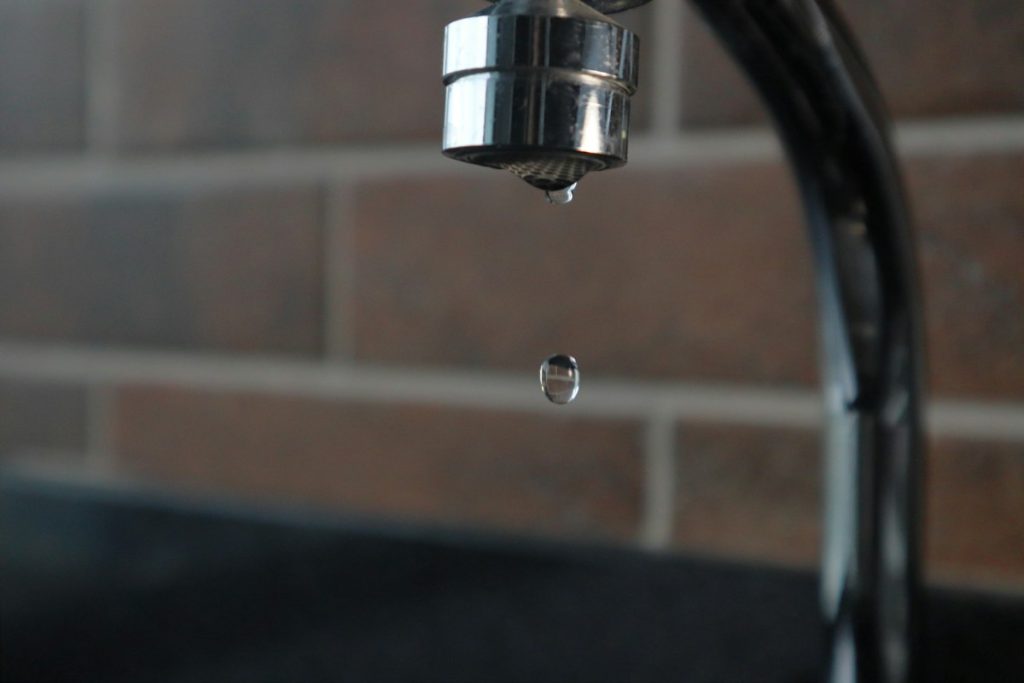
A tap that drips once a second can waste thousands of litres of water a year. It also leaves limescale on basins, stains enamel and is often the first sign that a cartridge or valve seat is wearing out.
The repair is usually quick: a new washer, ceramic cartridge or valve seat. If the tap body itself is worn or corroded, we will tell you honestly whether a replacement makes more sense.
Answers to common questions about wet-room leaks.
Call 09638-300700 or send us a message. A technician will answer.
The most common causes are a failed toilet pan seal, a leaking shower tray waste, or worn sealant around the bath or shower. We test each possibility to find which one it is before any repair.
Usually not. Many leaks can be repaired from an access panel, from below, or through a small opening. If tiles must come out, we remove as few as possible and tell you before we start.
Yes, and it is a good idea. Ageing hoses on sinks, toilets and appliances are a leading cause of sudden leaks, and replacing them is quick and inexpensive.
Yes. If a repair is not cost-effective, we can supply and fit a suitable replacement or install one you have already bought.
Tell us where you see water or damp and we will find the component that failed.